Blogs & News
We have a lot of ideas and know-how about bags, material sourcing, sampling, production and a whole host of bag-related topics that we would like to share with you.
What Questions Should I Ask a Bag Supplier Before Sampling?
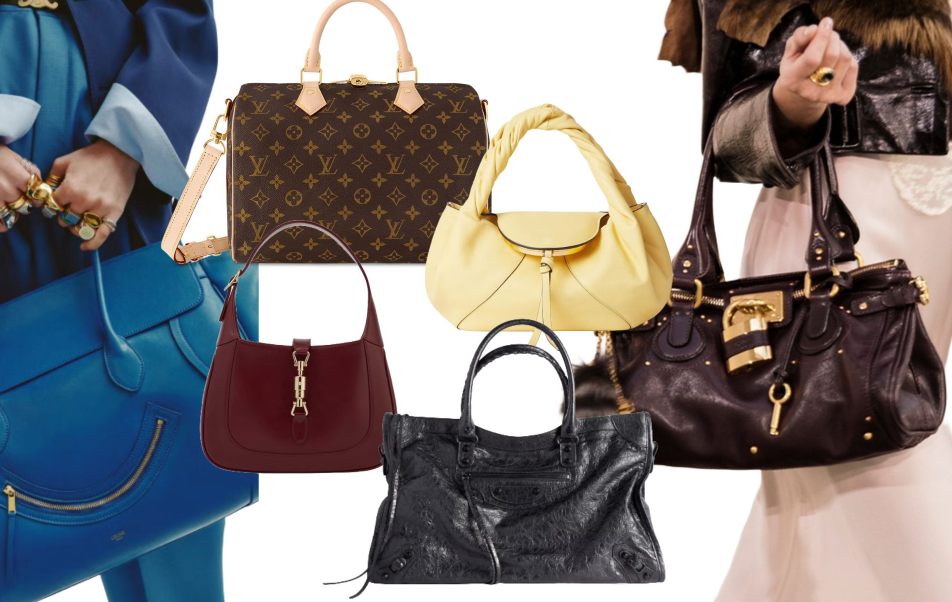
Choosing the right bag supplier before sampling can save your brand months of delays, thousands of dollars, and countless quality headaches later. For DTC bag brands, Amazon sellers, and emerging fashion labels, sampling is not just about “making a prototype” — it’s a supplier screening process.
This article breaks down the exact questions you should ask a bag supplier before you place a sample order, why each question matters, and how their answers reveal whether they are truly suitable for mass production.
The insights below are based on real OEM manufacturing experience working with international handbag brands across different price segments.
Introduction: Why Asking the Right Questions Before Sampling Matters
Many brands make the same mistake: They rush into sampling based only on price, photos, or fast replies.
The result?
- Samples that look good but cannot be mass-produced
- Repeated revisions that burn time and budget
- Suppliers who disappear once problems arise
- Bulk orders that don’t match the approved sample
Sampling should be treated as a due diligence stage, not a formality.
The right questions help you evaluate:
- Manufacturing capability
- Communication quality
- Cost transparency
- Risk control for future bulk production
1. Are You a Manufacturer or a Trading Company?
Why this question matters
This determines who actually controls quality, timelines, and problem-solving.
What to listen for:
- Do they own their factory or outsource?
- Can they show real workshop photos or videos?
- Do they have in-house QC and pattern makers?
Red flags:
- Vague answers like “we cooperate with many factories”
- Refusal to share production process details
- No factory address or inconsistent explanations
Tip: Trading companies are not always bad — but you must know who is accountable when issues arise.
2. What Types of Bags Do You Specialize In?
Not all bag factories are the same.
A factory that excels at:
- Soft PU totes may struggle with structured leather handbags
Ask specifically:
- What bag categories do you produce most?
- Can you share similar styles you’ve made before?
- What materials do you work with most often?
Why this matters:
Factories perform best within their core product zone. Sampling outside that zone often leads to:
- Poor construction
- Design compromises
- Unexpected cost increases
3. Can This Sample Be Mass-Produced at the Same Quality?
This is one of the most critical questions, yet often overlooked.
Many “beautiful samples” fail in bulk because:
- The construction is too labor-intensive
- The materials are unstable at scale
- The process is not standardized
Ask directly:
- Will this sample construction be exactly the same in bulk?
- Which parts are risky for mass production?
- What would you modify for stability?
An honest supplier will point out risks. A supplier who says “no problem” to everything is usually hiding problems.
4. What Is the Estimated MOQ and Unit Cost in Bulk?
Sampling without cost clarity is dangerous.
You should ask:
- What is the MOQ for bulk production?
- What is the estimated unit price range?
- Which factors will increase or decrease the price?
Look for transparency on:
- Material upgrades vs cost
- Hardware quality levels
- Labor-intensive processes (edge paint, hand stitching, lining)
Good suppliers explain cost logic. Bad suppliers only give numbers.
5. What Materials Do You Recommend — and Why?
This question tests experience and responsibility.
Instead of telling them what you want, ask:
- Which materials are most stable for this design?
- What alternatives can reduce defects or cost?
- How does this material behave in humid or hot climates?
Example:
In Southeast Asia or the Middle East, suppliers should proactively mention:
- Mold prevention
- Edge paint cracking risks
- PU aging under heat
If they don’t, they may lack real export experience.
6. How Many Sample Revisions Are Included?
Sampling almost always requires revisions.
Clarify upfront:
- How many revisions are included?
- What changes are free vs paid?
- How long does each revision take?
Why this matters:
Unclear revision policies often lead to:
- Unexpected charges
- Delays
- Frustrated communication
Professional suppliers define the rules early.
7. What Quality Issues Should I Expect — and How Are They Controlled?
This question reveals whether a supplier is realistic and experienced.
Ask:
- What are the most common defects for this type of bag?
- How do you inspect during production?
- What is your QC process before shipment?
Strong answers include:
- Clear inspection points
- Acknowledgment of potential risks
- Solutions, not excuses
Suppliers who claim “zero defects” usually lack proper QC systems.
8. Can You Support My Brand as It Scales?
Sampling is just the beginning.
You should understand whether the supplier can grow with you.
Ask about:
- Monthly production capacity
- Lead time for repeat orders
- Ability to customize packaging, logos, and materials
- Experience with DTC brands or e-commerce fulfillment
A good long-term supplier thinks beyond one order.
9. What Do You Need From Me to Make a Good Sample?
This flips the conversation — and it’s powerful.
Professional suppliers will ask for:
- Tech packs or reference samples
- Target price range
- Market positioning
- Sales channel (DTC, Amazon, retail)
If a supplier asks nothing and just says “send picture,” the result is usually a guess-based sample.
Pre-Sampling Checklist (Save This)
Before placing a sample order, make sure you’ve clarified:
- ✅ Factory type and specialization
- ✅ Mass-production feasibility
- ✅ Bulk pricing logic and MOQ
- ✅ Material risks and alternatives
- ✅ Revision rules
- ✅ QC standards
- ✅ Long-term scalability
This checklist alone can eliminate 70% of bad suppliers.
Conclusion: Sampling Is a Test of the Supplier, Not the Bag
A sample is not just a product — it’s a preview of how your future bulk orders will be handled.
The suppliers worth working with:
- Ask questions back
- Explain risks clearly
- Focus on long-term stability, not short-term wins
If you treat sampling as a strategic evaluation stage, you’ll avoid mass production failures and build a reliable supply chain from day one.