Blogs & News
We have a lot of ideas and know-how about bags, material sourcing, sampling, production and a whole host of bag-related topics that we would like to share with you.
PU Leather Explained: What It Is, How It’s Made, and Whether It’s Worth Buying
Confused by all the leather alternatives on the market?
You see “PU leather” printed on product tags, yet you’re unsure whether it’s a smart, stylish choice—or simply a cheap imitation.
This guide clears up the confusion with a detailed, expert-level explanation.
PU leather is a synthetic material created by coating a fabric base with polyurethane. It offers a budget-friendly, vegan, and style-flexible alternative to genuine leather.
However, it’s also less durable, can peel over time, and introduces several environmental concerns. Whether it’s the right choice for you depends on your priorities: price, sustainability, aesthetics, or longevity.
To help you make an informed decision, let’s break down exactly how PU leather is made, what its real advantages are, and how it compares to genuine leather.
What Is PU Leather Made Of?
You’ve seen PU leather used in handbags, shoes, furniture—but what exactly is it?
Because the term “synthetic leather” is vague, many consumers are left guessing about quality and composition. Understanding what goes into PU leather helps you evaluate how it performs and how long it will last.
PU leather—short for polyurethane leather—is made from a thermoplastic polymer. It is a composite material, consisting of:
- A fabric base(polyester, cotton, or nylon)
- A polyurethane coating
- Additional finishing layersthat create texture, color, and protection
This layered construction allows PU leather to mimic the look and feel of real leather while offering greater design flexibility.
Key Components of PU Leather
Each layer affects the final appearance, durability, and performance of the material.
1. Fabric Base
The base layer provides structure and flexibility. Common materials include:
- Polyester
- Cotton
- Nylon
This foundation supports the coating and influences softness and stretchability.
2. Polyurethane Coating
This is the defining component of PU leather.
The liquid polyurethane coating creates:
- Smooth or textured “leather-like” surface
- Water resistance
- Flexibility
- Gloss and finish variations
3. Surface Finish
After coating, the material undergoes finishing treatments such as:
- Dyeing(for color consistency)
- Embossing(to replicate leather grains like pebbled, crocodile, or smooth)
- Protective topcoating(to reduce scratches and improve longevity)
How PU Leather Is Manufactured
PU leather production is a multi-step industrial process designed for efficiency and consistent quality.
1. Preparing the Base Fabric
The selected fabric is cleaned and prepared to ensure proper adhesion.
2. Applying the Polyurethane Coating
The coating can be applied through:
- Spraying(for a smooth surface)
- Roll coating(for even thickness)
3. Texturing & Heat Treatment
The coated material is passed through textured rollers or embossing plates to create realistic leather patterns. Heat treatment sets the pattern and strengthens adhesion.
4. Final Quality Control
The finished PU leather is evaluated for:
- Color consistency
- Surface texture
- Strength and durability
Only then is it cut and used for handbags, clothing, furniture, and more.
Advantages of PU Leather
You want a stylish handbag without paying luxury prices—but you still want it to look good and hold up well.
Here’s why PU leather appeals to so many buyers and brands.
1. Affordability
The biggest advantage is its cost-effectiveness.
PU leather is significantly cheaper to produce than genuine leather. For example:
- PU leather handbag: $30–$150
- Genuine leather handbag: $200–$1,000+
This allows buyers to follow trends without overspending, and brands can launch fast-fashion collections at accessible price points.
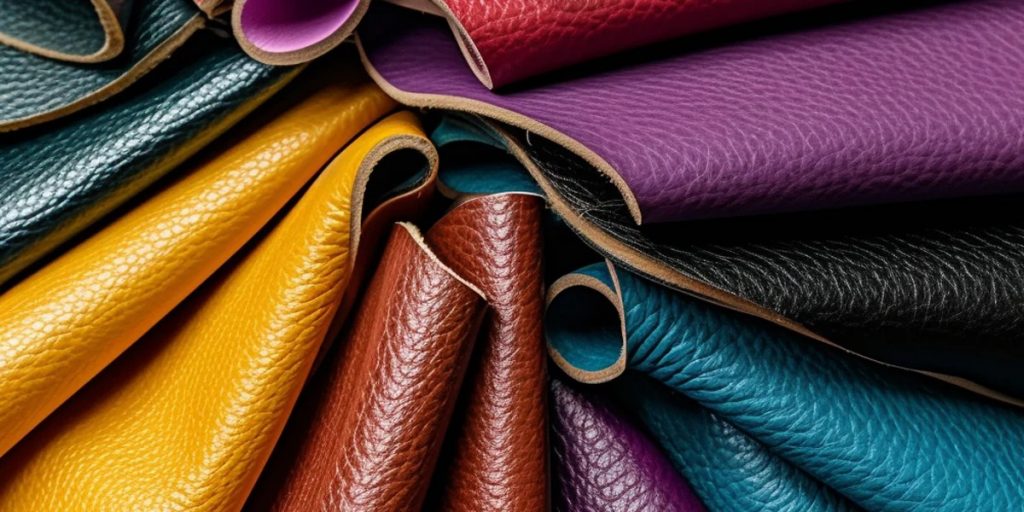
2. Wide Range of Styles, Colors & Textures
Because PU leather is manufactured, its design possibilities are almost limitless.
It can be produced in:
- Vibrant non-natural colors
- Exotic textures (crocodile, snakeskin, saffiano)
- Ultra-smooth or matte surfaces
- High-gloss finishes
This versatility allows designers to experiment rapidly, making PU leather especially popular in fashion-forward and seasonal collections.
3. Easy Maintenance
Unlike genuine leather, which needs careful conditioning, PU leather is low maintenance.
- Easy to clean:Most stains wipe off with a damp cloth
- Water-resistant:Light rain and spills won’t damage it
- No conditioning required:The material doesn’t dry or crack like real leather
Perfect for busy lifestyles or humid climates.
Disadvantages of PU Leather
Now, the downsides—because no material is perfect.
Many consumers love the look of PU leather but are disappointed when the material doesn’t age well or begins to peel.
Understanding these drawbacks helps you set realistic expectations.
1. Limited Durability & Shorter Lifespan
PU leather simply does not last as long as genuine leather.
Common issues include:
- Cracking and peelingover time
- Surface tearingunder heavy use
- Material separationbetween coating and fabric
Where genuine leather can last decades and develop a beautiful patina, PU leather tends to degrade rather than improve with age.
2. Poor Breathability
PU leather lacks natural pores, meaning:
- Air cannot circulate
- Heat and moisture can build up
- It may feel “plastic-like” against the skin
This isn’t a major concern for handbags but can be an issue for clothing, shoes, or hot climates.
3. Chemical Odor
New PU leather products may release:
- Plastic smells
- Chemical odors from production
- Off-gassing from polymers
The smell usually disappears with time and ventilation but can be unpleasant initially.
Final Thoughts: Is PU Leather Worth It?
If you value style, affordability, and variety, PU leather is a strong choice. If you prioritize durability, natural materials, and longevity, genuine leather is the better option.
PU leather is ideal for:
✔ Trendy handbags
✔ Fashion accessories
✔ Lightweight daily-use items
✔ Budget-conscious shoppers
✔ Vegan-friendly buyers
But it may not be suitable if you want a product that will last many years or age beautifully over time.