Blogs & News
We have a lot of ideas and know-how about bags, material sourcing, sampling, production and a whole host of bag-related topics that we would like to share with you.
Why Do Bag Edge Paints Crack Easily?
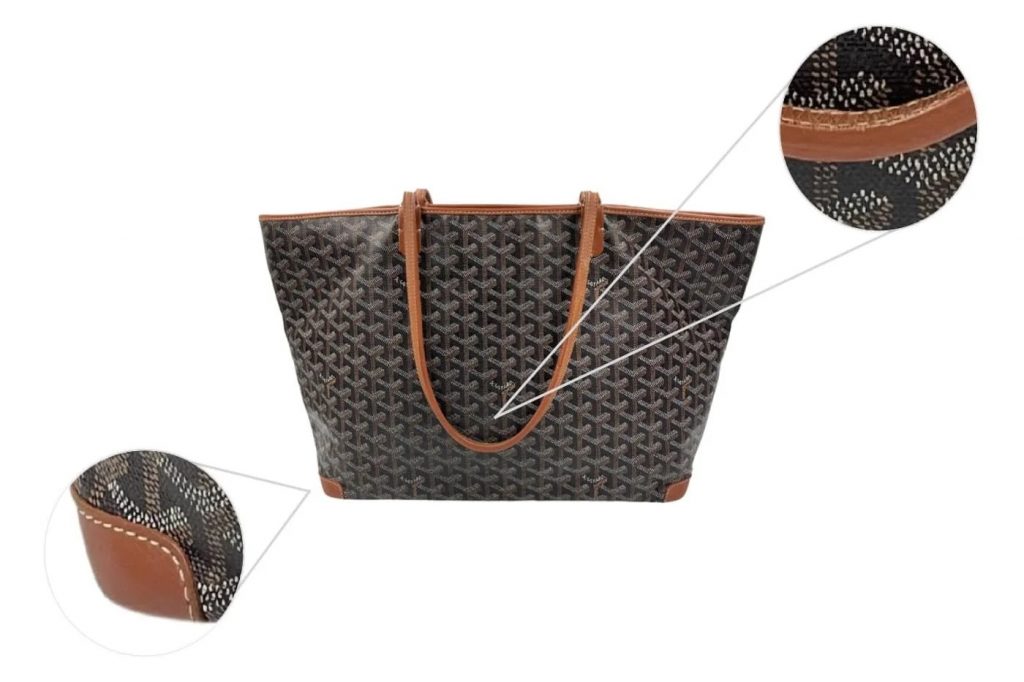
When customers buy a handbag, the first defects they often notice are cracks along the bag’s edge coating. Edge paint cracking not only damages appearance and texture but also reduces the bag’s lifespan — leading to returns, warranty claims, and negative brand reviews. So why does bag edge paint crack easily, and what can handbag brands or wholesalers do to prevent it?
This article provides a full breakdown of causes — from materials and production — plus factory-level manufacturing solutions to make your bags more durable.
What Is Bag Edge Paint?
Edge paint is a protective coating applied to the cut edges of PU leather, genuine leather, or microfiber materials. Its purpose is:
- Enhancing bag aesthetics
- Protecting layers from moisture and wear
- Strengthening seams
- Increasing product lifespan
However, poorly-engineered edge paint can crack within weeks of use.
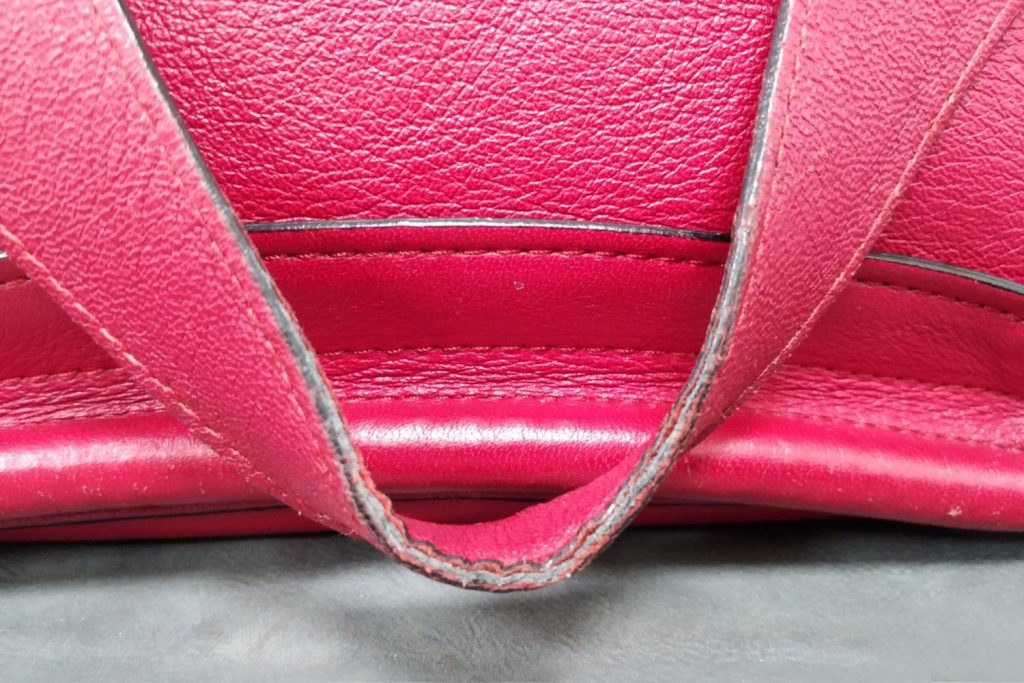
Why Do Bag Edge Paints Crack? – Top 6 Causes
1、Low-Quality or Incorrect Edge Paint Formula
Cheap or mismatched paint often contains low elasticity and weak bonding agents → causing cracks when the bag bends.
Common mistakes:
- Water-based paint used on stiff leather
- Paint without elastic resin or plasticizer
- Low-cost pigments that harden quickly
2、Leather Material Shrinkage or Expansion
Temperature, humidity, and bending cause eco-leather, PU, and microfiber to expand or shrink. If the material moves more than the edge paint can stretch → cracks appear.
3、Insufficient Edge Sanding or Surface Preparation
Before painting, edges must be:
- Trimmed flat
- Sanded smooth
- Cleaned of dust/oil
If skipped, paint adhesion weakens → cracking after a few months.
4、Too Few or Too Thick Paint Coats
Some factories apply just one thick layer to save production time. Thick coats dry unevenly → outer surface hardens → inner layer still wet → cracks later.
Best practice: multiple thin coats with drying cycles.
5、Incorrect Drying Conditions
Without controlled drying:
- Heat can over-cure paint → brittle finish
- Cold environment → incomplete bonding
Industrial drying ovens with temperature-control reduce this risk.
6、Frequent Pressure or Friction Points
When bags are designed with:
- Thin straps
- Sharp corners
- Foldable edges These areas naturally crack faster if not reinforced.
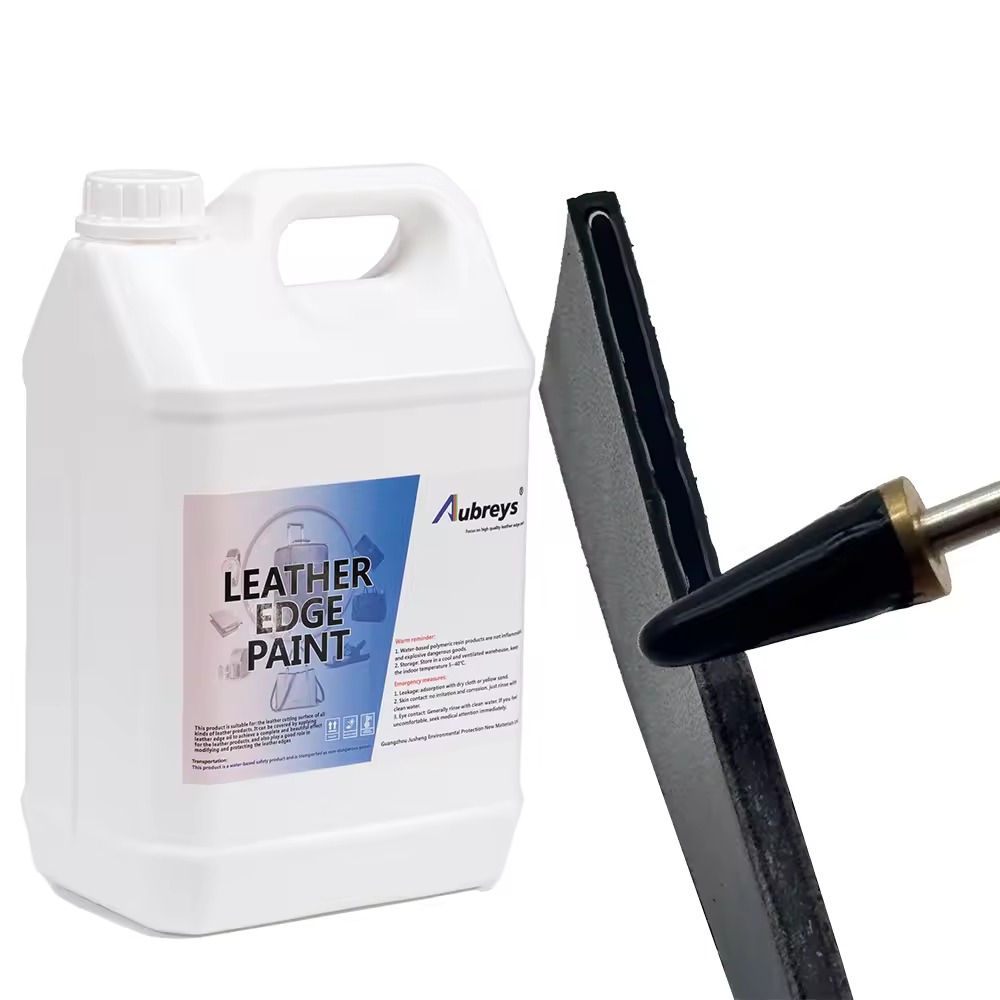
What Bag Brands Should Ask When Choosing a Manufacturer
If you are sourcing a handbag factory, check whether they:
1、 Have an edge-painting workshop with Italian roller machines
2、Provide material compatibility testing
3、Use eco-friendly plant-based protein paint or PU elastic paint
4、Offer durability testing reports
5、Can customize edge color to Pantone
Factories that cannot perform these steps usually deliver products that crack easily — damaging your brand’s reputation.
Eco-Friendly Trend: Plant-Protein-Based Edge Paint
Today’s DTC brands are demanding sustainable, vegan-friendly material alternatives.
Plant-protein-based edge paint offers:
- Better elasticity
- Higher durability
- Lower VOC emissions
- Compliant with EU & USA environmental standards
This aligns perfectly with brands targeting Gen-Z sustainable consumers.
Conclusion
Bag edge paint cracking is not just a cosmetic issue — it is a manufacturing quality problem. With the right paint formula, proper surface treatment, multi-layer coating, and controlled drying, handbags can remain crack-free for years.
If you are a brand, importer, or designer looking to produce high-quality women’s handbags, working with a factory that understands edge-paint engineering makes all the difference.