Blogs & News
We have a lot of ideas and know-how about bags, material sourcing, sampling, production and a whole host of bag-related topics that we would like to share with you.
Plant Protein Material: The Future of Sustainable Handbag Manufacturing for Modern DTC Brands
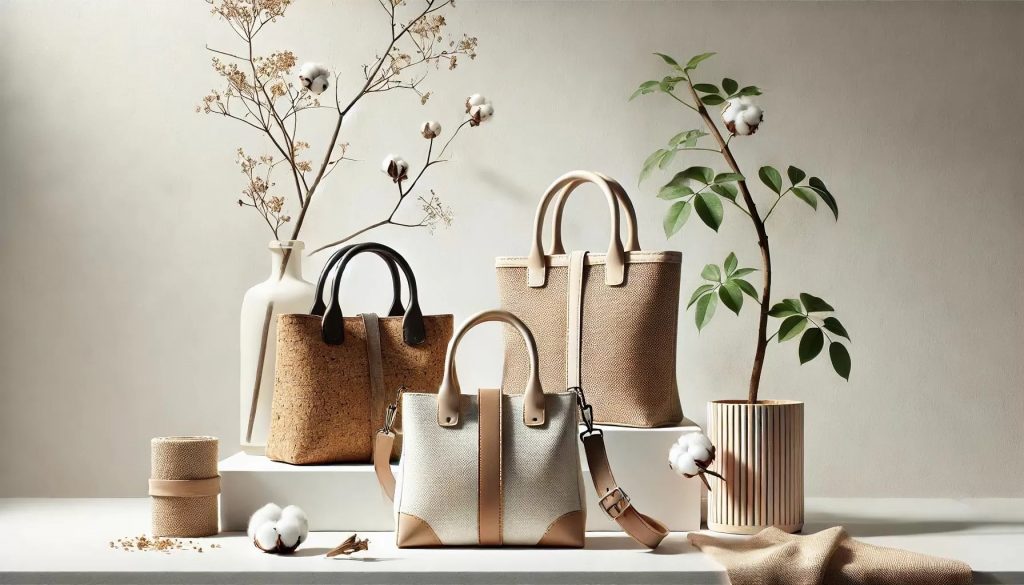
Plant-based materials are reshaping the global fashion industry, especially in women’s handbags. As sustainability becomes a core buying standard in Southeast Asia, the Middle East, Europe, and the US, Plant Protein Material has quickly risen as one of the most promising alternatives to PU, PVC, and even genuine leather. For DTC women’s bag brands, e-commerce sellers, and sourcing managers, this material represents not only an eco-friendly choice but also a powerful branding advantage.
In this article, we take a deep dive into what Plant Protein Material really is, how it performs, its application in tote bags, crossbody bags, and shoulder bags, and how brands can incorporate it to win the next wave of sustainable consumer demand.
Plant Protein Material for Handbag – What It Is and Why It Matters
What Is Plant Protein Material?
Plant Protein Material is a next-generation eco-friendly textile made from natural plant-derived proteins—commonly from soy, corn, wheat, peas, or other agricultural by-products. Through a scientific combination of protein extraction, polymerization, fiber reinforcement, and surface finishing, manufacturers create a material that visually and physically resembles high-quality leather.
It offers a biodegradable, low-carbon, and animal-free alternative to traditional materials. Compared with normal synthetic leather, Plant Protein Material is gentler on the environment across its entire lifecycle—from raw sourcing to production to final degradation.
Why It Matters for Modern Bag Brands
Today’s consumers—especially Gen Z and millennials—care about:
- Ethical production
- Carbon footprint
- Traceability
- Natural, non-toxic materials
Plant Protein Material empowers handbag brands to meet all these expectations while maintaining practicality and style.
Key Advantages
- Sustainable & eco-friendly(reduced petroleum usage)
- Soft, leather-like handfeel
- Lightweight yet durable
- Breathablecompared with PU/PVC
- Customizable in texture, pattern, and color
- Suitable for mass production
For DTC brands seeking differentiation, this material serves as a unique selling point that sets products apart from traditional PU bags on platforms like Shopee, Lazada, TikTok Shop, Amazon, and Noon.
Plant Protein Material Tote Bag – Performance, Durability & User Experience
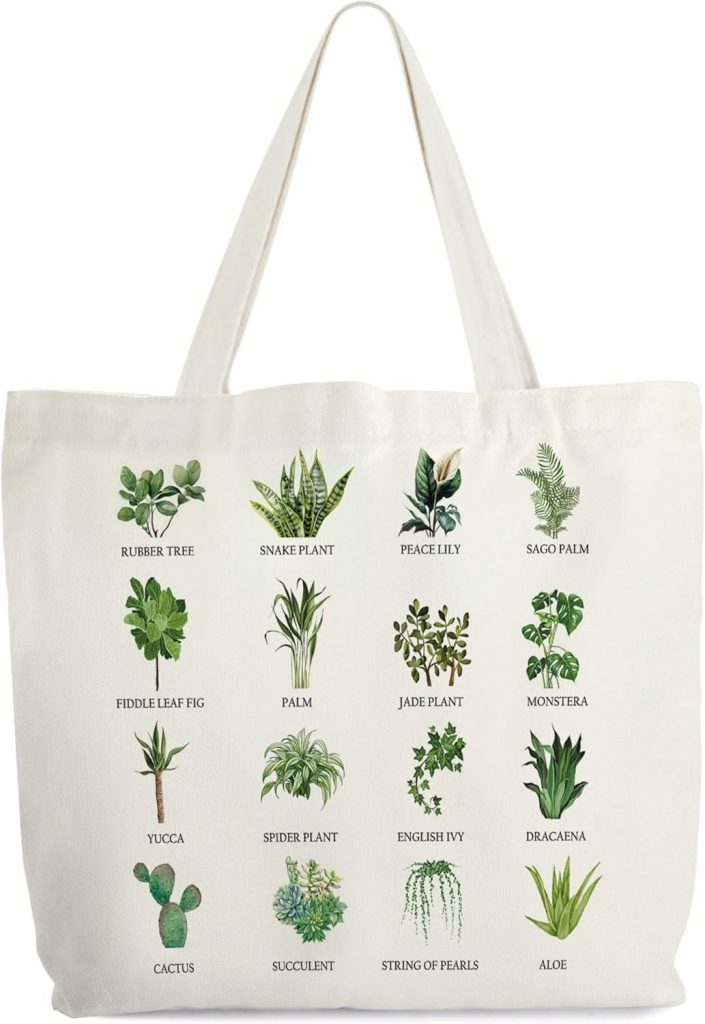
Tote bags are typically large, practical, and often used in daily scenarios such as work, shopping, or travel. Material performance directly affects consumer satisfaction.
1. Durability & Strength
Plant Protein Material maintains high tensile strength and good scratch resistance due to its reinforced fiber structure. When used in tote bags, it:
- Handles heavier loads
- Maintains shape well
- Does not peel easily compared to standard PU
This is particularly important in tropical climates like Southeast Asia, where humidity accelerates PU peeling.
2. Aesthetic Versatility
For tote bags, brands often require:
- Grain textures
- Matte or glossy finishes
- Clear embossing
- Rich color options
Plant Protein Material can achieve all these effects. Its natural fibers allow more realistic texture depth compared to PVC.
3. Lightweight & Comfortable
Users prefer tote bags that are durable but not heavy. Plant Protein Material weighs noticeably less than leather while maintaining a premium feel.
4. Eco-friendly Branding Value
For DTC brands targeting eco-conscious consumers, using Plant Protein Material for tote bags enables powerful marketing angles:
- “Plant-based leather alternative”
- “Sustainable everyday tote”
- “Made from natural resources, not petroleum”
This makes it easier to command premium pricing.
Crossbody Bags & Shoulder Bags: How Plant Protein Material Elevates Design & Functionality
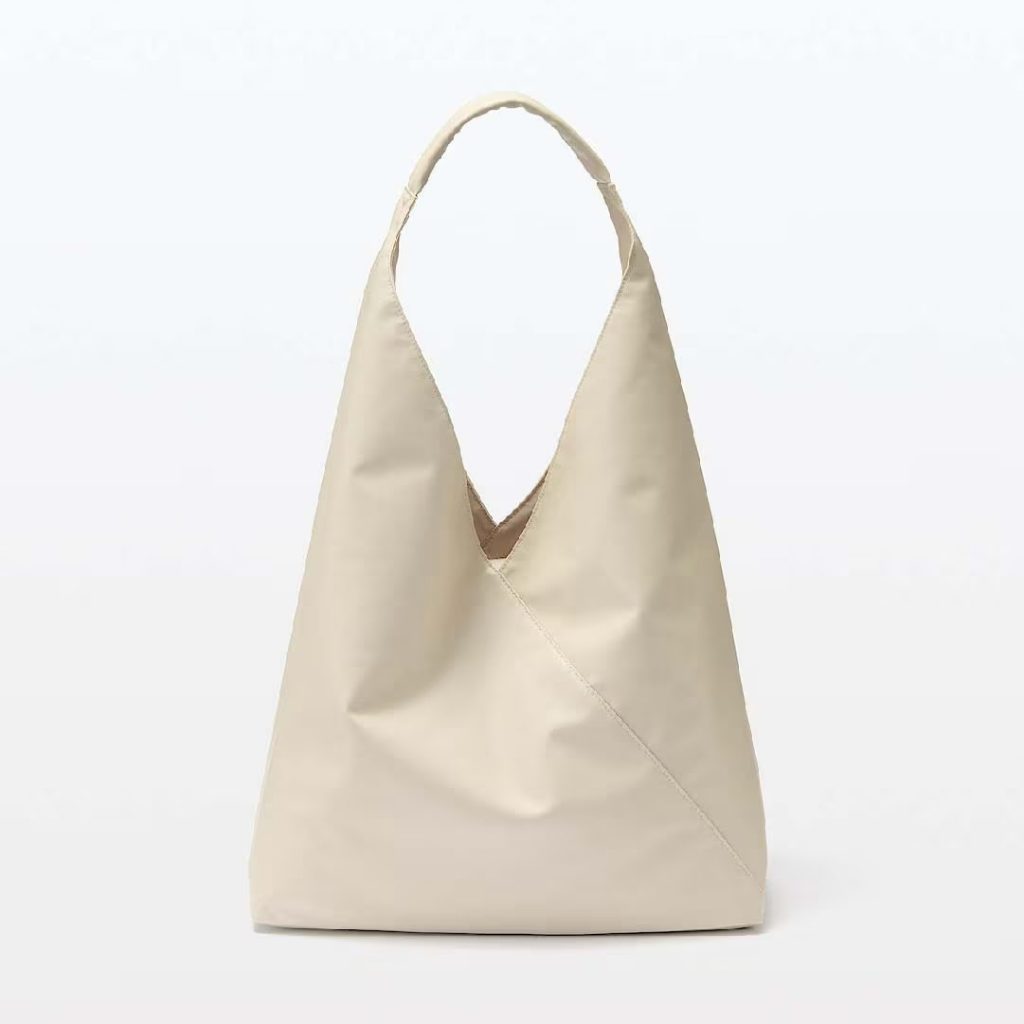
Crossbody and shoulder bags require materials that balance structure, flexibility, and aesthetics. Plant Protein Material fits these needs exceptionally well.
1. Excellent Shape Retention
The protein-polymers form a dense micro-structure that prevents bag deformation. Even slim crossbody bags maintain clean lines.
2. Superior Touch & Softness
Compared with synthetic PU, Plant Protein Material:
- Feels more natural
- Warms quickly to the touch
- Offers a more “premium leather” sensation
This enhances user experience—an important factor for fashion bags.
3. Better Breathability
In hot climates like Dubai, Riyadh, Manila, Jakarta, Kuala Lumpur, or Singapore, bags often suffer from:
- Stickiness
- Odor buildup
- Material cracking
Plant Protein Material’s breathable properties make it better suited for warm, humid markets.
4. Easy to Clean
With a high-quality surface coating, it resists:
- Water splashes
- Light stains
- Oil marks
- Color fading
Perfect for everyday carry bags that must remain stylish yet low-maintenance.
How DTC Brands Can Use Plant Protein Material in Product Development
Plant Protein Material is not only eco-friendly—it is strategic. Here’s how brands can implement it effectively.
1. Material Positioning
Use it to target:
- Sustainable fashion buyers
- Premium eco-conscious consumers
- Middle Eastern markets favoring luxury alternatives
- Southeast Asian markets seeking non-peeling, long-lasting bags
2. Product Category Recommendations
Best-fit bag categories:
- Tote bags
- Structured crossbody bags
- Mini shoulder bags
- Wallets & cardholders
- Laptop sleeves
- Premium gift bags
3. Branding Strategies
You can highlight:
- “Vegan leather made from plant proteins”
- “Eco-friendly luxury material”
- “Innovative, cruelty-free alternative to animal leather”
Such positioning significantly boosts conversion in markets that value sustainability.
4. Manufacturing Tips
If you are sourcing from a bag factory, request:
- Material thickness (recommended 0.9–1.4mm)
- Tear strength test
- Bending test
- Waterproof coating options
- Heat resistance test
A professional factory will be familiar with these processes.
5. MOQ & Customization
Most factories can offer:
- Flexible MOQ
- Custom colors & textures
- Logo embossing
- Complete bag development from design to mass production
This is ideal for DTC brand owners building a full product line.
Conclusion: Why Plant Protein Material Is the Next Big Opportunity for Bag Brands
Plant Protein Material is more than a trend. It represents the future of handbag materials—eco-friendly, high-performance, scalable, and aligned with global consumer expectations.
For DTC bag brands, importers, and e-commerce sellers, adopting this material early creates a strong competitive edge, especially in the Southeast Asian and Middle Eastern markets where durability and heat resistance are critical.
If your brand wants to build sustainable women’s bags with modern appeal, Plant Protein Material is one of the best choices available today.